Your roof is the first line of defense for your home. In Evansville, roofs deal with a lot of changing weather. We see hot, humid summers along the Ohio River, freezing winter weather, and sudden spring hailstorms. All of these seasonal shifts put heavy stress on your roofing materials, which can directly shorten your overall roof lifespan if left unmanaged.
The average asphalt shingle roof lasts between 15 and 25 years. However, taking proper care of your home can help your roof reach the higher end of that range. Extending your roof lifespan saves you thousands of dollars and keeps your entire house dry and safe. You can extend the life of your roof by keeping gutters clear, maintaining attic airflow, trimming back trees, and fixing minor damage quickly. Taking a proactive approach prevents small issues from turning into major structural repairs.
Understanding Average Roof Lifespan in Evansville
Most homes in Evansville feature asphalt shingle roofs, which typically last 15 to 25 years under normal conditions. Metal roofs can last 40 to 70 years, while tile or slate materials can easily last over 50 years. Local weather plays a huge role in how long these materials actually last on your home.
The humidity in Vanderburgh County speeds up algae and moss growth on damp roofs. Indiana winters also bring freeze-thaw cycles. Water gets under loose shingles, freezes, expands, and lifts the shingle edges. Knowing what type of roof you have helps you plan the right care routine.
| Roofing Material | Expected Lifespan | Common Weather Threats in Evansville | Maintenance Level |
| Standard 3-Tab Asphalt | 15 – 20 Years | High winds, hail, humidity | Moderate |
| Architectural Shingles | 20 – 30 Years | Strong storms, heavy rainfall | Moderate |
| Metal Roofing | 40 – 70 Years | Thermal expansion, seal wear | Low |
| Slate or Tile | 50+ Years | Heavy impacts, structural weight | High |
No matter which roofing material covers your home, taking proactive maintenance steps is what ultimately helps you stretch that timeline as far as possible.
Clear Gutters to Prevent Water Backup
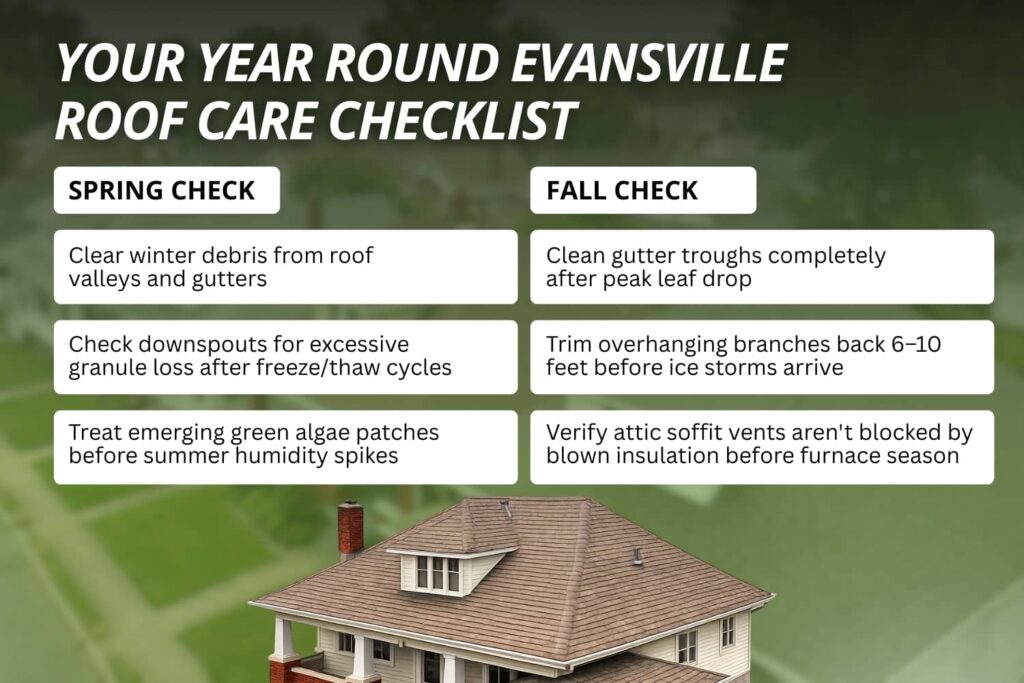
Cleaning your gutters twice a year prevents water from backing up under your shingles and rotting your roof deck. Clogged gutters trap rainwater along the lower edges of your roof. This excess water soaks into the wood trim and roofing underlayment.
When leaves drop in the fall, they fill up your gutter troughs quickly. If water cannot flow freely down the downspouts, it pools along the eaves. Over time, this trapped moisture causes wood decay along your roofline. Rotting wood around your fascia and soffits can also attract unwanted pests like termites into your home.
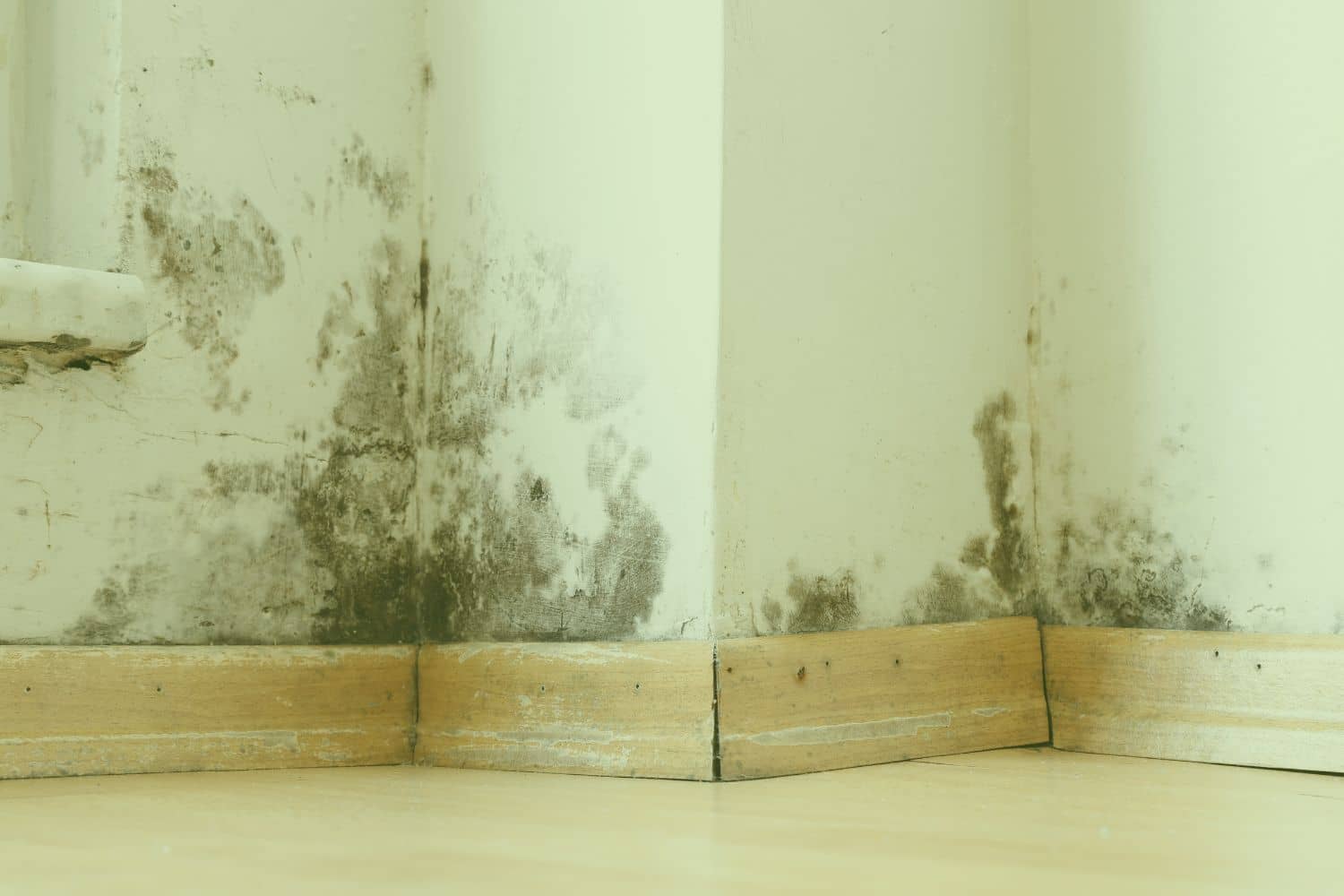
Water that seeps into your attic from clogged gutters creates another big problem. A dark, damp attic space is the primary breeding ground for toxic mold. Keeping gutters clean protects both your roof edge and your indoor air quality.
Optimize Attic Ventilation and Insulation
Good attic ventilation lowers roof temperatures in the summer and stops destructive ice dams from forming in the winter. Proper airflow requires intake vents along your soffits and exhaust vents near your roof ridge.
During hot Indiana summers, trapped attic air can easily reach 150 degrees. This extreme heat bakes your asphalt shingles from underneath. It cooks the flexible oils out of the shingles, making them brittle and causing granules to flake off early.
In the winter, poor attic insulation lets home heat rise into the attic space. This heat melts snow on top of your roof. The melted snow runs down to the colder roof edges and freezes into thick ice dams. Water builds up behind the ice dam and forces its way under your shingles. Keeping your insulation thick and your vents open prevents this temperature roller coaster.
Trim Overhanging Tree Branches
Trimming branches at least six to ten feet away from your roof stops physical scraping and reduces shade that promotes moss. Mature trees add great curb appeal and shade, but branches growing too close to your house pose real dangers.
Summer thunderstorms in the Tri-State area frequently bring strong wind gusts. Low-hanging limbs scrape across the roof, stripping away the protective layer of asphalt granules. Without these granules, raw shingles dry out and crack under direct sunlight.
Tree branches also drop leaves, twigs, and pine needles directly onto your roof slope. This organic debris piles up in roof valleys and traps moisture. Removing overhanging limbs lets sunlight dry out your shingles after rainfall and keeps heavy branches from breaking off during severe weather.
Treat Moss and Algae Early
Remove dark algae streaks and green moss quickly to prevent root systems from lifting shingles and holding water against the roof. Blue-green algae cause the dark streaks you often see on local roofs. While algae mostly affects appearance, moss causes physical structural damage.
Moss holds moisture against your roof surface like a soaking-wet sponge. During cold snaps, that trapped water freezes and expands. As moss grows, it works its way under the edges of shingles and lifts them. Lifted shingles leave your bare roof deck open to heavy rain.
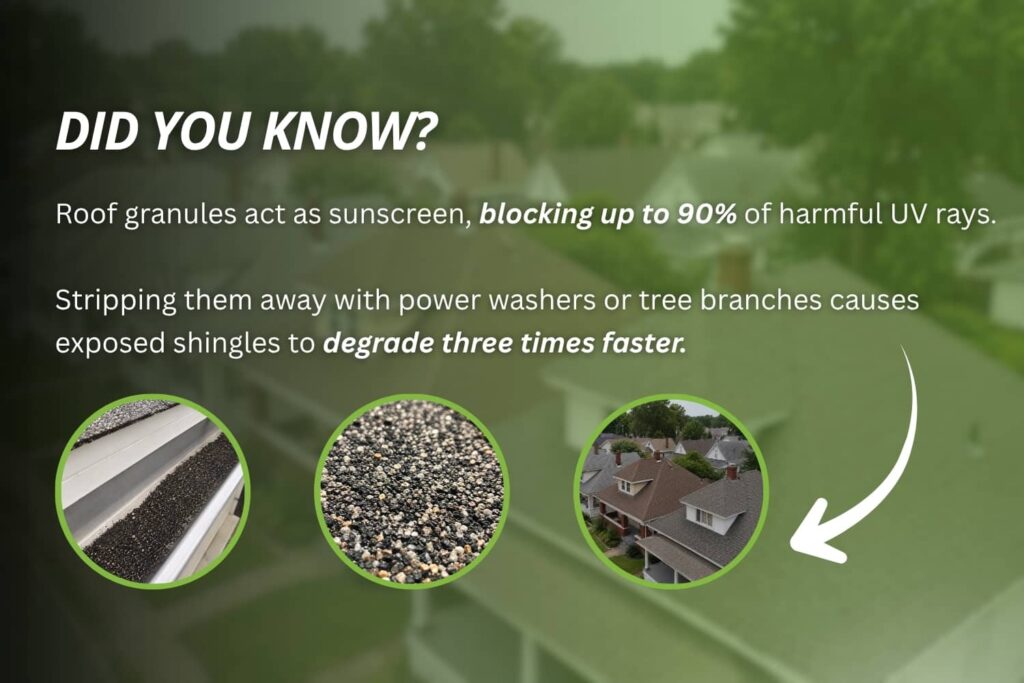
Never use a high-pressure power washer to clean your roof. High pressure strips off the protective asphalt granules and ruins the shingles immediately. Instead, use a gentle soft-wash chemical spray designed to kill moss and algae safely without harming your roofing materials.
Perform Routine Post-Storm Checks
Check your roof from the ground with a pair of binoculars after every major storm to spot missing shingles before water enters your home. Spring and summer weather in Evansville can bring damaging hail and sudden wind squalls.
Look for these warning signs after a heavy storm:
- Missing, cracked, or curled shingles
- Metal flashing pulling away from the chimney or vent pipes
- Granule piles accumulation at the base of downspouts
- Loose or sagging gutter sections
- Sagging areas along the roofline
Catching small problems early allows you to make quick spot repairs. Replacing three damaged shingles today costs very little, but waiting until water drips through your bedroom ceiling leads to costly roof deck replacements.
Related Questions to Explore
How quickly can a roof leak turn into a mold issue?
Mold can begin growing in an attic or ceiling within 24 to 48 hours of water exposure. When roof leaks allow hidden moisture to seep into insulation and drywall, it creates ideal conditions for mold spores to multiply and spoil indoor air quality.
Can roof moisture attract wood-destroying insects like termites?
Yes. Damaged shingles and clogged gutters trap water against fascia boards and roof framing. Soft, decaying wood acts as a direct magnet for subterranean termites and other wood-destroying organisms looking for moisture and food sources.
What other hidden problems do home inspectors look for in an attic?
During a home inspection, inspectors look for blocked soffit vents, improper exhaust ducting, damaged structural trusses, and thin insulation. They also check attic spaces for signs of past pest activity, hidden plumbing leaks, and proper venting for soil gas and radon systems.
Does a standard home inspection cover the complete roofing system?
A standard home inspection includes a thorough visual check of visible roof coverings, gutters, downspouts, flashing, and skylights. Inspectors evaluate these areas alongside the attic space to help buyers and sellers understand the overall health and remaining lifespan of the home’s protective shell.
When to Call a Professional
While ground-level checks are easy for homeowners, climbing up onto a steep roof is dangerous. Slip and fall accidents are common, and walking incorrectly across an older roof can crush delicate shingles.
You should call a qualified professional when:
- You notice water stains on your top-floor ceilings or inside the attic
- High winds or hail have damaged a large section of your roof
- You suspect structural damage, severe moss growth, or active wood rot
- You are buying or selling a home and need a complete evaluation of the property’s major systems
A comprehensive evaluation gives you a clear picture of your roof’s current health. Professional home inspectors check the roof surface alongside structural framing, attic ventilation, mold indicators, and radon testing equipment to ensure your whole living environment is safe.
Protecting Your Home Investment
Extending your Evansville roof lifespan comes down to simple, consistent care. Cleaning your gutters, trimming overhanging branches, checking your attic ventilation, and catching storm damage early will help your roof reach its full potential. A well-maintained roof keeps your home dry, protects your family, and preserves your home’s equity for years to come.
If you are planning to buy or sell a home in Southern Indiana, or want a full picture of your current property’s condition, professional guidance makes all the difference. Contact the experienced team at NISI today to schedule a thorough home inspection and keep your home protected from the roof down.