Most gas furnaces last 15 to 20 years. Electric furnaces often make it to 20 or 30. That is the short answer, but your furnace may beat those numbers or fall short of them.
At National Inspection Service of Indiana (NISI), we check furnaces in Evansville homes every week, and age is only part of the story. This guide covers how long each type lasts, what cuts that time short, and the signs that tell you it is time to plan for a new one.
How Long Does a Furnace Last?
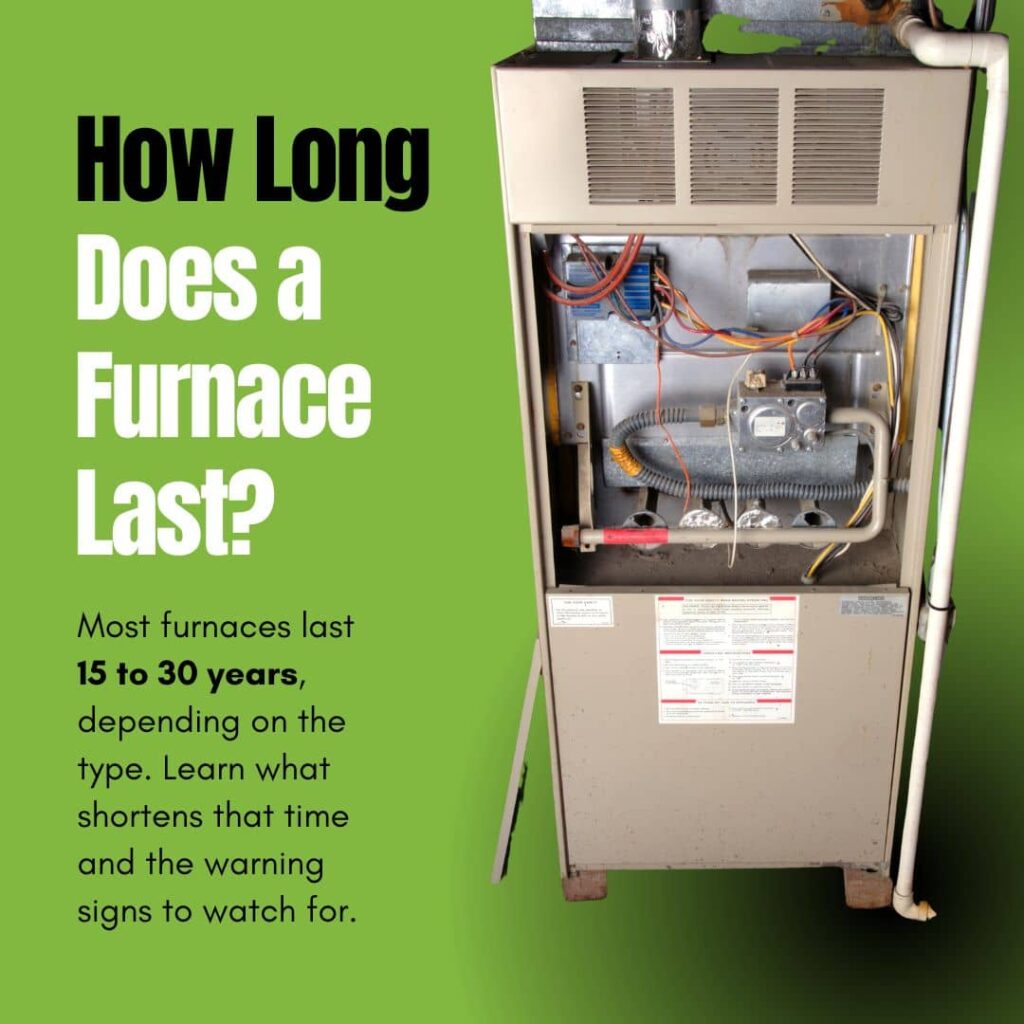
A furnace lasts about 15 to 30 years, depending on its fuel type. Gas and propane units sit at the low end, and electric units sit at the high end. Here are the common ranges:
| Furnace type | Typical lifespan |
|---|---|
| Natural gas | 15 to 20 years |
| Propane | 15 to 20 years |
| Oil | 15 to 25 years |
| Electric | 20 to 30 years |
These are averages, not promises. A well-kept gas furnace can pass 20 years. A poorly installed one can quit in 12.
Electric furnaces last longer because they have no burners and no heat exchanger that heats and cools under flame. Fewer parts take a beating.
What Makes a Furnace Wear Out Faster?
Installation, maintenance, and workload decide most of it. Age sets the clock, and these factors speed it up or slow it down.
Installation quality. A furnace that is too big or too small for the house works harder than it should. Poor ductwork and bad venting add stress. The U.S. Department of Energy notes that poor installation can shorten the life of heating equipment (see the Federal Energy Management Program guide on residential furnaces).
Maintenance. A dirty filter makes the blower strain and lets dust build up inside. A yearly tune-up catches small problems before they become big ones. Skipped service is the most common reason we see a furnace die early.
Run time. Evansville winters are cold, and our summers are humid. Your system may run hard for several months a year. More hours on the clock means more wear, even on a good unit.
Thermostat habits. Big swings in temperature setpoints make the furnace cycle more often. Steady settings are easier on the equipment.
Moisture and dirt. Basements and crawl spaces that stay damp can rust the cabinet and parts. Construction dust and pet hair clog filters faster than you would think.
How Can You Tell How Old Your Furnace Is?
Look for the data plate. It is a metal label on the inside of the furnace cabinet, often near the blower door. It lists the model number and serial number. Many makers hide the build date in the serial number.
Different brands use different codes. Some show the year and week in the first few digits. Others use letters. If you cannot read it, search the brand name plus “serial number lookup,” or call the maker. Our post on what an air conditioner serial number tells you walks through the same idea, and the steps are close for furnaces.
If the plate is missing or painted over, a licensed pro can often estimate age from the parts and design.
Signs Your Furnace Is Near the End
Age is a clue. Behavior is better proof. Watch for these signs:
- Frequent repairs. If you call a tech every few months, the furnace is telling you something.
- Rising energy bills. An aging furnace loses efficiency. You pay more to get the same heat.
- Uneven heat. Some rooms stay cold, or the air from the vents feels weak.
- Loud noises. Banging, screeching, and grinding are not normal. Soft clicks and a low hum are fine.
- Cracks or rust. Visible cracks or heavy rust on the unit can point to a failing heat exchanger.
- Yellow or flickering burner flame. A healthy gas flame is steady and blue.
A cracked heat exchanger can leak carbon monoxide into your home. Treat it as a safety issue, not a comfort issue. Every home with a fuel-burning furnace needs working carbon monoxide detectors.
Repair or Replace?
Two simple rules help. One comes from the home services site Angi. If a repair costs more than 30 percent of a new furnace and your unit is under 15 years old, replacement may make more sense. And if you are paying for repairs every other month, the furnace is likely done.
Age matters too. A furnace past 15 to 20 years that needs a big repair is usually not worth the money. A younger unit with one small fix is a different case.
Newer furnaces are also more efficient. Efficiency is rated by AFUE, which shows how much of the fuel becomes heat. ENERGY STAR certified gas furnaces must reach at least 95 to 97 percent AFUE, depending on the region. A new, high-efficiency unit may cut your fuel bills.
How Can You Make a Furnace Last Longer?
You cannot stop aging, but you can slow it. These steps help most:
- Change the filter on schedule. Check it monthly in winter. Replace it every one to three months, and see this guide on how often to change a furnace filter if you are not sure which schedule fits your home.
- Book a yearly tune-up. Do it in early fall, before the first cold snap.
- Keep vents and returns clear. Rugs and furniture block airflow.
- Seal and insulate ducts. Leaky ducts make the furnace run longer.
- Fix small problems fast. A weak igniter or a noisy blower rarely gets better on its own. A dirty flame sensor is a common cause of a furnace that shuts off early, and this walkthrough on cleaning a furnace flame sensor shows the basic steps.
- Keep the area around the furnace clean. Do not store paint, cleaners, or boxes next to it.
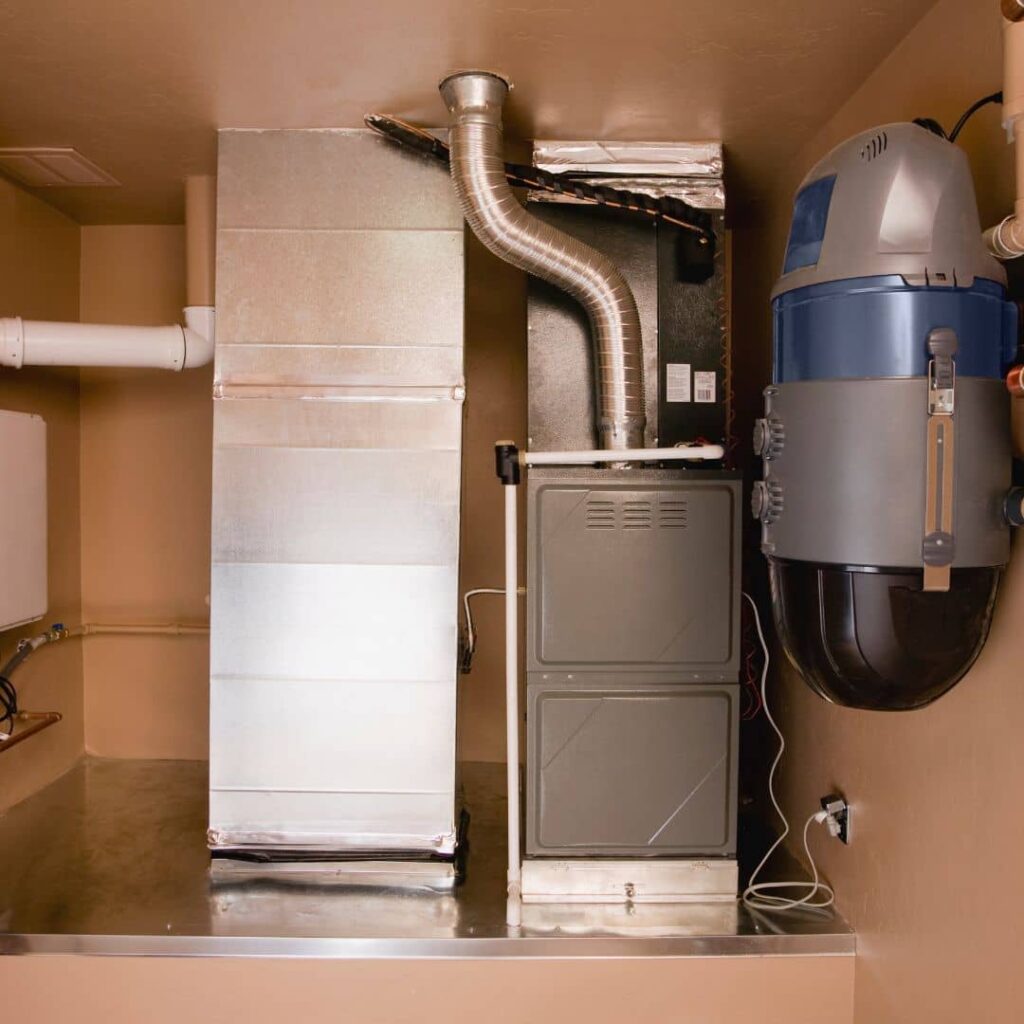
What a Home Inspector Checks on a Furnace
If you are buying or selling a home, the furnace is one of the big-ticket items. A home inspector looks at the visible and working condition of the system. That usually includes:
- The age and data plate
- Whether the furnace turns on and heats the home
- The condition of the cabinet, burners, and venting
- The filter and the area around the unit
- Signs of past leaks, rust, or scorching
- The presence of carbon monoxide detectors
An inspector can tell you how old the unit is and what shape it looks to be in. An inspection is not a full HVAC tune-up, and it cannot see inside a sealed heat exchanger. If something looks off, we will recommend a licensed HVAC contractor take a closer look.
If you want a full picture of the home, our home inspection service covers the heating system along with the rest of the house. Equipment age is one thing buyers should always ask about, much like we cover in our guide to how to extend your roof’s lifespan in Evansville.
Related Questions to Explore
How long should a furnace last?
Plan on 15 to 20 years for gas and 20 to 30 years for electric. A furnace with regular service and good installation sits at the top of those ranges. A neglected one sits at the bottom.
How long does a gas furnace last?
Most gas furnaces last 15 to 20 years. Some make it to 25 with yearly care. Burners and the heat exchanger take the most wear, which is why age and maintenance matter so much for gas units.
How long does an oil furnace last?
Oil furnaces run about 15 to 25 years. They need regular cleaning to keep soot from building up, so a yearly service call is a must.
Should I replace a 20-year-old furnace?
Often, yes. At 20 years, most gas furnaces are past their expected life. If it still runs well, you can keep it and plan ahead. If it needs a major repair, replacement usually makes more financial sense. A pro can help you weigh the cost.
Is it worth repairing an old furnace?
It can be, for a small repair on a unit that has been reliable. It is rarely worth it for a big repair on a furnace past 15 years old, or if you are calling a tech every few months.
What is the difference between a gas and electric furnace lifespan?
Electric furnaces usually last 5 to 10 years longer. They have fewer moving and heated parts. They can cost more to run, depending on local power and gas rates, so lifespan is only one part of the choice.
When to Call a Professional
Call a licensed HVAC contractor if you smell gas, see cracks, or notice soot or scorch marks. Shut the furnace off and leave the house if you smell gas or your carbon monoxide detector goes off. Call your gas utility or 911 from outside.
Call a pro for a yearly tune-up, for any repair, and when you are weighing a replacement. A furnace tech can test parts and the heat exchanger in ways a visual check cannot.
Call us if you are buying a home or want a clear report on the house you already own. We will tell you what we see, how old the furnace is, and whether it needs a closer look. Our team has served Evansville and the surrounding area for years, and Rob Cahill has been inspecting homes since 1995.
For a list of average life spans for many parts of a home, see the InterNACHI Standard Estimated Life Expectancy Chart. Use it as a guide, since conditions change how long any part lasts.
Conclusion
A gas furnace gives you about 15 to 20 years, and an electric one often gives you more. Keep the filter fresh, schedule a tune-up each fall, and watch for noises, rising bills, and uneven heat.
If you are buying a home and want to know what shape the furnace is in, schedule a home inspection with NISI.