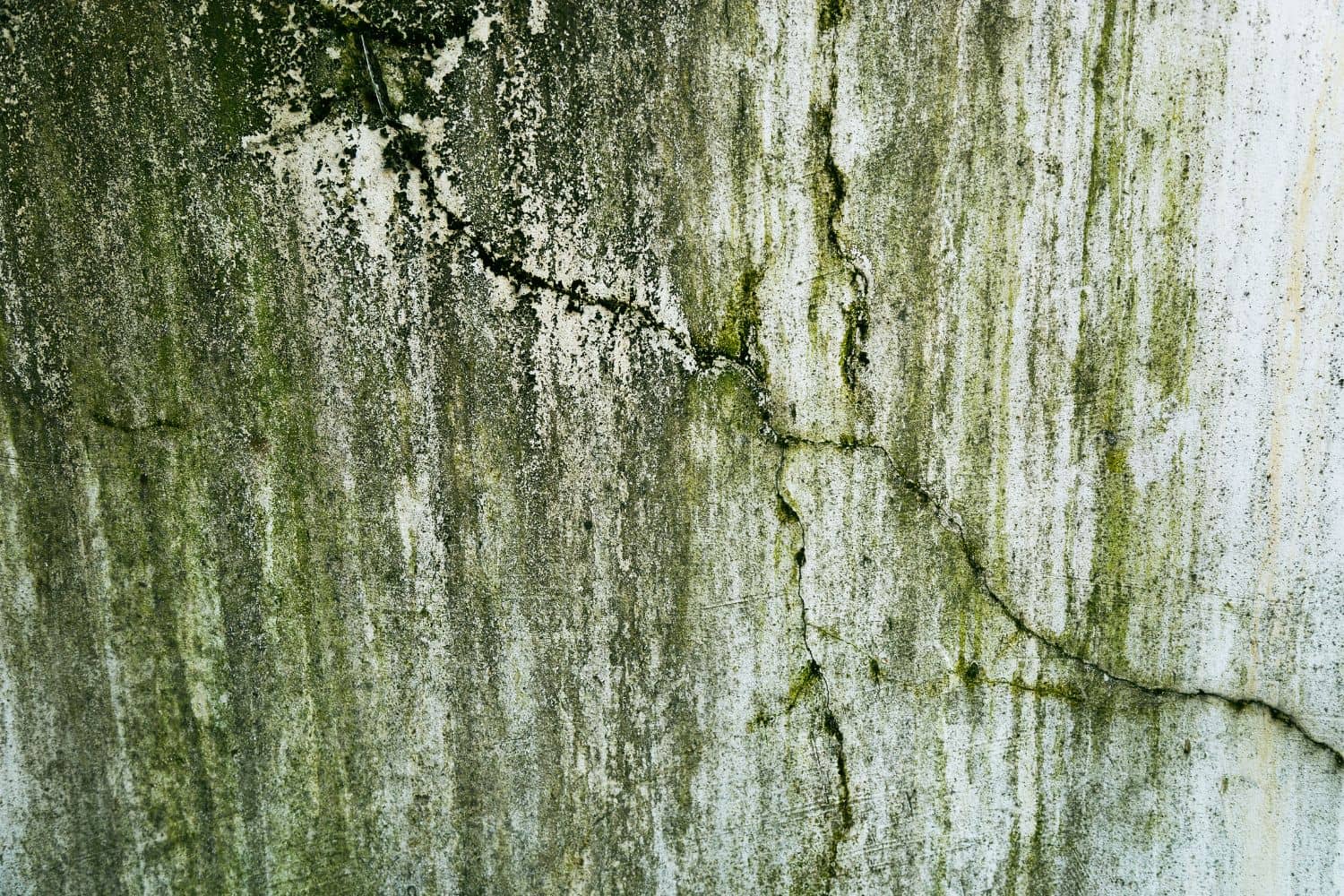
Mildew is a type of mold. The word “mildew” describes mold that grows flat on the surface of damp spots like shower grout and windowsills. It looks powdery and white or gray, and it usually wipes away. The growth most people call “mold” is fuzzy or slimy, often darker, and it roots down into materials like drywall and wood.
At National Inspection Service of Indiana (NISI), we’ve inspected more than 20,000 Evansville-area homes since 1995, and this is one of the questions we hear most. Below, we cover how to tell the two apart, which one is a bigger health concern, how to clean mildew, and when growth calls for a mold inspection.
Mildew vs. Mold: The Short Answer
The difference between mildew and mold comes down to depth, because mildew is simply one kind of mold. Both are fungi. The EPA explains that mildew refers to certain kinds of mold, usually growth with a flat habit. So the real question is not “mold or mildew?” It is “surface mold, or mold that has moved into the material?”
Here is how that plays out in a home:
- Mildew sits on top of a surface. It shows up on tile, grout, caulk, painted walls, window frames, and shower curtains. It spreads in a flat, even film.
- Mold (the kind that worries homeowners) grows thread-like roots called hyphae. Those roots push into porous materials such as drywall, wood framing, carpet pad, and insulation.
That depth is the difference that matters most. Surface growth is a cleaning job. Growth inside a material is a moisture and repair problem.

How to Tell Mildew and Mold Apart
You can usually tell mildew from deeper mold by looking at five things: color, texture, depth, smell, and location. No single clue is proof, but together they give you a good read.
Color
Mildew usually starts white, gray, or light yellow. Over time it can darken to brown or even black, which is why dark shower grout fools so many people. Mold comes in many colors, including green, black, blue, and even pink or orange. Color alone does not tell you what you have or how dangerous it is.
Texture
Mildew looks flat and powdery, a bit like dust or a light stain. Mold looks raised and fuzzy, or wet and slimy. If the growth has height and texture, treat it as mold.
Depth
Press lightly on the area (with gloves on). Mildew stays on a firm surface. Mold often comes with soft, crumbly, warped, or stained material underneath. Peeling paint or bubbling drywall near the growth points to moisture inside the wall.
Smell
Both give off a musty odor, but the strength differs. Mildew smells mild and damp, like wet socks or a towel left in the washer. Mold smells stronger and earthier. A strong musty smell with no visible growth often means mold is hiding behind a wall, under flooring, or in a crawl space. Damp carpet is another common source, and drying the padding is the first step if you need to get a mildew smell out of carpet.
Location
Mildew favors surfaces you can see and reach: bathroom tile, window sills, laundry rooms, and damp closets. Mold favors hidden, dark spots with a steady water source: basements, attics, crawl spaces, HVAC ducts, and wall cavities around leaky pipes. For a closer look at dark growth, see our guide on what black mold looks like.
Mildew vs. Mold at a Glance
| Feature | Mildew | Mold |
|---|---|---|
| What it is | Flat, surface-stage mold | Mold that roots into material |
| Color | White, gray, yellow; can darken | Green, black, blue, and more |
| Texture | Flat, powdery | Fuzzy, raised, or slimy |
| Depth | Stays on the surface | Grows into porous materials |
| Smell | Mild, damp, musty | Strong, earthy, musty |
| Common spots | Grout, caulk, sills, curtains | Drywall, wood, insulation, crawl spaces |
| Cleanup | Usually DIY on hard surfaces | Often needs removal of material |
The Bleach Spot Test (and Its Limits)
The bleach spot test can give you a quick hint, but it is not a diagnosis. Put on gloves and eye protection. Dab a few drops of diluted household bleach on a small spot and wait a few minutes. If the spot lightens, it is likely surface mildew. If it stays dark, the growth may be deeper mold, or it may be a stain.
Keep these limits in mind:
- Bleach only works on hard, non-porous surfaces like tile, glass, and sealed countertops.
- On porous materials, bleach can whiten the surface while roots stay alive underneath.
- Bleach is mostly water, and extra water on porous material can feed regrowth.
- Never mix bleach with ammonia or other cleaners. The fumes are toxic.
If the test leaves you unsure, or the growth keeps coming back, that is a sign to look deeper.
Health Risks of Mildew vs. Mold
Both mildew and mold can cause health symptoms, but deeper mold growth usually poses more risk because there is more of it and it releases more spores. Mold produces allergens and irritants, and some types can produce mycotoxins.
Common symptoms from exposure include:
- Sneezing, runny nose, and nasal congestion
- Itchy, red, or watery eyes
- Coughing, throat irritation, or wheezing
- Skin irritation or rash
- Asthma flare-ups in people with asthma
Children, older adults, people with asthma or allergies, and anyone with a weakened immune system tend to react more. Mildew in a bathroom may only cause mild irritation, but it can still trigger asthma in sensitive people. If you have symptoms you think are linked to mold, talk with your doctor.
How to Clean Mildew Safely
Most mildew on hard surfaces is a safe DIY cleanup. Here is a simple approach:
- Protect yourself. Wear rubber gloves, eye protection, and an N95 mask. Open a window or run the exhaust fan.
- Pick a cleaner. Use a mildew remover, detergent and water, or white vinegar. Save bleach for hard, non-porous surfaces.
- Scrub the surface. Use a stiff brush on grout and caulk lines. Rinse with clean water.
- Dry it fully. Wipe the area dry and keep the fan running. Moisture left behind lets mildew return.
- Replace what won’t come clean. Stained caulk and shower curtains are cheap to replace and often faster than scrubbing.
Mold that has grown into drywall, carpet, ceiling tile, or insulation is different. Cleaning the surface does not reach the growth inside, and the damaged material often has to be cut out and replaced. The EPA’s guide to mold, moisture, and your home notes that homeowners can often handle small areas themselves, but areas larger than about 10 square feet (roughly a 3-foot by 3-foot patch) call for more caution and often professional help.
Do not paint or caulk over mildew or mold. It hides the problem while the growth continues underneath.
Why Evansville Homes Grow Both
Mildew and mold both need moisture to grow, and Evansville homes get plenty of it. Hot, humid summers along the Ohio River push indoor humidity up, and spring storms send water toward foundations. Mold spores are always present in the air. They only grow when they land on a damp surface, so moisture control is the key to stopping both.
The most common moisture sources we find include:
- Bathrooms without a working exhaust fan
- Slow plumbing leaks under sinks and behind walls
- Condensation on windows, cold water pipes, and HVAC ducts
- Damp basements and crawl spaces with poor drainage
- Roof leaks and poor attic ventilation
- Gutters and downspouts that dump water next to the foundation
Simple Prevention Steps
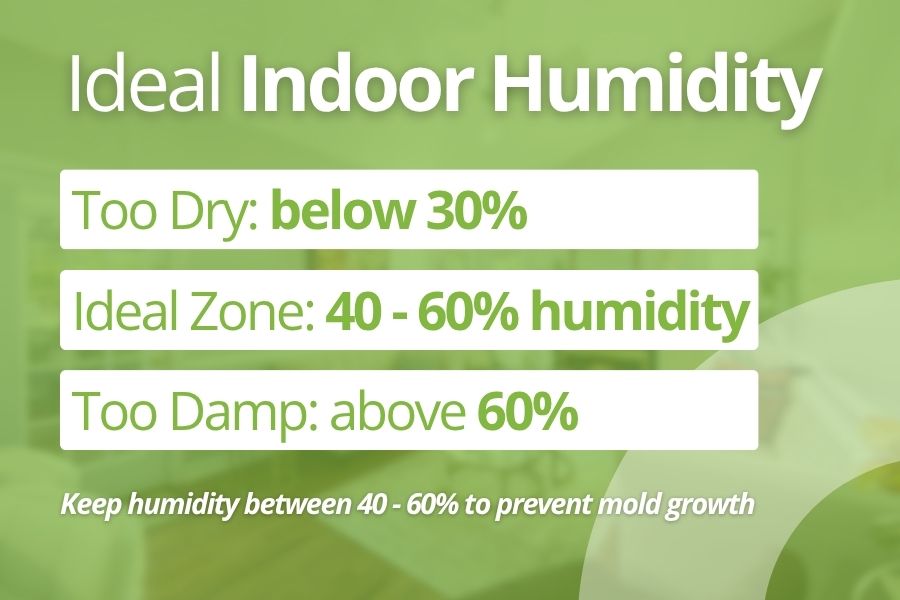
- Keep indoor humidity between 30% and 50%, and below 60% at most. An inexpensive hygrometer from the hardware store shows you where you stand, and basements may need a different dehumidifier setting by season.
- Run a dehumidifier in the basement during summer. It won’t remove growth that’s already there, but a dehumidifier helps with mold by taking away the moisture it needs.
- Run bathroom fans during showers and for 20 minutes after.
- Fix leaks right away, and dry any wet area within 24 to 48 hours.
- Extend downspouts so water drains away from the house.
- Keep furniture a few inches off exterior basement walls so air can move.
Basements are a common trouble spot in our area. Our post on how mold mitigation in a basement starts walks through what to check below grade.
Related Questions to Explore
Is mildew a type of mold?
Yes. Mildew is a common name for certain molds that grow flat on surfaces. The EPA groups mildew under mold rather than treating it as a separate organism. The practical difference is how deep the growth goes, and a professional mold inspection can tell you which one you’re dealing with.
Is mildew dangerous to breathe?
Mildew is usually less harmful than deeper mold growth, but it can still cause sneezing, coughing, eye irritation, and asthma flare-ups in sensitive people. Clean it promptly and fix the moisture that caused it. If symptoms continue, our certified inspectors can help track down the moisture source.
Can mildew turn into mold?
Mildew does not change species, but surface growth can spread and move into porous materials if the area stays damp. Shower mildew that keeps returning, along with soft drywall or peeling paint nearby, can mean moisture is feeding growth inside the wall. The same thing happens below grade, which is why basement mold mitigation starts with finding hidden moisture.
Does bleach kill mold and mildew?
Bleach can remove mildew on hard, non-porous surfaces like tile and glass. It does not reliably reach mold roots in porous materials like drywall or wood, and moldy porous materials often need to be removed. If you’re buying a home, a home inspection can flag water-stained or damaged materials before closing.
Is black mildew the same as black mold?
Not always. Mildew can turn dark over time, and many different molds look black. You cannot identify a specific mold type by color. Learn more in our guide on what black mold looks like.
What does mildew smell like compared to mold?
Mildew has a mild, damp, musty smell. Mold usually smells stronger and earthier. A strong musty odor with no visible growth is a common sign of hidden mold. Attics are a frequent culprit, so watch for these signs of poor attic ventilation.
When to Call a Professional
Call a certified mold inspector when the growth is bigger, deeper, or harder to find than a simple mildew cleanup. Schedule a mold inspection if you notice any of these:
- Growth covers more than about 10 square feet
- It keeps coming back after you clean it
- You smell a strong musty odor but can’t find the source
- Drywall, flooring, or wood near the growth is soft, stained, or warped
- Growth appears after a leak, flood, or sewage backup
- You see growth in HVAC ducts or near air vents
- Someone in the home has symptoms that seem to get worse indoors
- You’re buying a home and see signs of past water damage
Rob Cahill, owner of NISI, is a Certified Mold Inspector and has been an Indiana Licensed Home Inspector since 2005. During a mold inspection, our team looks for visible growth, moisture sources, and the conditions that let mold return.
The goal is to find where the moisture is coming from, so the growth doesn’t come right back after cleanup. If you’re buying a home, pairing a mold inspection with a full home inspection gives you a clear picture of moisture issues before closing.
Conclusion
Mildew is surface-level mold, and mold becomes a bigger problem once it grows into your home’s materials. Keep these points in mind:
- Flat, powdery, and wipes clean usually means mildew. Fuzzy, slimy, or soft material underneath points to mold.
- Moisture control stops both. Keep humidity between 30% and 50% and fix leaks fast.
- Large, hidden, or recurring growth needs a professional look.
If you’re unsure what’s growing in your home, contact NISI or call (812) 476-1999 to schedule a mold inspection in Evansville, Newburgh, and surrounding Southern Indiana communities.